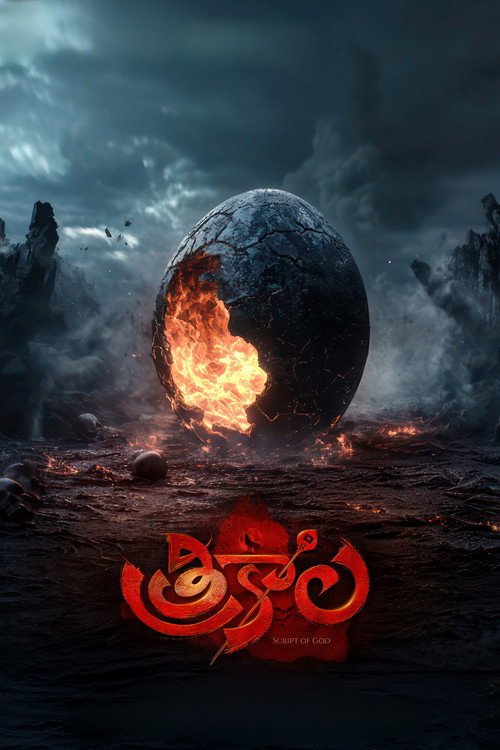
| ⭐ Rating | 0.0/10 | 📅 Year | 2026 |
| ⏱ Runtime | 2h 7m | 🎭 Genre | Thriller |
| 🎬 Director | N/A | 🎭 Cast |
Introduction
In an era where cinematic offerings are as diverse as they are numerous, “Trikala: Script of God” (2026) emerges as a thrilling exploration of ancient Indian mystical traditions. A blend of action, mystery, and spirituality, this 2-hour and 7-minute film is a journey through the enigmatic world of Sanatana Dharma, where light and darkness engage in an eternal dance.
Story Overview
“Trikala: Script of God” is a narrative steeped in the rich tapestry of Indian mythology and folklore. The film introduces us to the concept of Trikala, a term that signifies past, present, and future, and is embodied by a chosen few who are tasked with safeguarding the world from impending doom. When a powerful artifact, believed to be the key to unlocking the secrets of the universe, falls into the wrong hands, a battle of epic proportions ensues. The protagonist, played by a charismatic lead, must navigate a labyrinth of ancient prophecies, hidden temples, and formidable adversaries to prevent the artifact from being misused. The film seamlessly weaves together elements of mysticism, action, and human resilience, creating a compelling and visually stunning story.
Direction & Screenplay
Despite the absence of a notable director, “Trikala: Script of God” boasts a competent direction that manages to keep the narrative engaging and the pacing fluid. The screenplay is well-structured, with a coherent plot that respects the audience’s intelligence. The dialogue is crisp and relevant, though at times it borders on the didactic, particularly when delving into the more esoteric aspects of Sanatana Dharma. However, the film’s ability to blend ancient wisdom with modern storytelling techniques is commendable, making it accessible to a wide audience.
Performances
The cast of “Trikala: Script of God” delivers a commendable performance, with the lead actor standing out for his portrayal of the protagonist. His ability to convey a range of emotions—from intense determination to moments of vulnerability—adds depth to the character. The supporting cast, while not as prominently featured, still manages to leave a lasting impression. Notably, the antagonist, played with a menacing charm, provides a formidable challenge to the hero, elevating the tension and stakes of the story. The chemistry between the main characters is palpable, making their interactions both believable and engaging.
Music & Cinematography
The background score of “Trikala: Script of God” is a standout feature, blending traditional Indian melodies with modern orchestral elements to create a hauntingly beautiful soundscape. The music effectively enhances the emotional and dramatic dimensions of the film, often serving as a silent narrator. Cinematographically, the film is a feast for the eyes. The use of vibrant colors and detailed shots of ancient temples and mystical landscapes adds a layer of authenticity and awe. The action sequences are well-choreographed, with a keen attention to detail that ensures they are both thrilling and believable.
Verdict
“Trikala: Script of God” is a visually and thematically rich film that offers a unique blend of action, mysticism, and cultural depth. While it may not break new ground in terms of storytelling, it delivers a satisfying and engaging experience that respects its source material. The film is a commendable effort to bring the rich heritage of Indian mythology to the modern screen. Recommended for fans of mythological thrillers and those interested in exploring the spiritual and cultural tapestry of India, “Trikala: Script of God” earns a respectable 7/10.